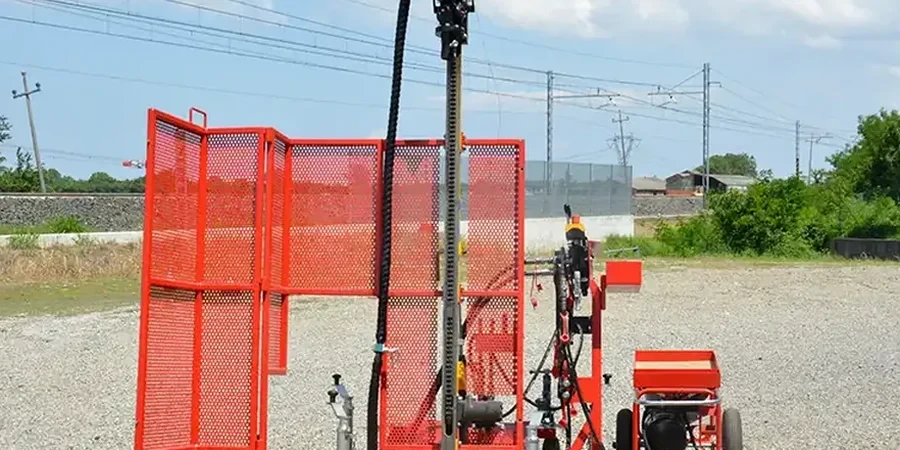
BS 5930:2015 and Eurocode 7 (BS EN 1997-2:2007) set the standard for any ground investigation in the UK, and here in Sunderland, sticking rigidly to those guidelines isn't just a formality—it's a necessity. The city's geology shifts dramatically as you move from the magnesium limestone escarpments near the coast to the softer alluvial deposits along the River Wear. A standard penetration test run properly gives us the N-value we need to assess bearing capacity and identify potential settlement issues before a single foundation is poured. In our experience, the difference between a straightforward build and a costly delay often comes down to how well you understood the ground in those first few boreholes, and the CPT testing can be a useful companion in the deeper drift deposits we sometimes encounter.
An N-value below 4 in Sunderland's alluvial silts near the river is a red flag we never ignore—it changes the foundation strategy immediately.
Quick answers
How much does an SPT test cost for a typical house extension in Sunderland?
For a standard domestic project, you're looking at approximately £370 to £510 per exploratory hole, which normally includes the rig move and an engineer's factual report. The final figure depends on access and depth needed.
How deep do you usually need to go with SPTs in Sunderland?
It varies by location. In the city centre and along the river corridor, we typically go 10 to 15 metres to punch through made ground into competent natural strata. In areas like Tunstall or Silksworth, competent limestone can be met within 3 to 5 metres.
What does the N-value actually tell me for my foundations?
The N-value is the number of blows to drive the sampler 300 mm into the soil after an initial 150 mm seating drive. In granular soils, N-values below 10 usually indicate loose conditions requiring ground improvement or deeper foundations; above 30 suggests dense ground with high bearing capacity.
Can you test through made ground and old mine workings?
Yes, and it's a common scenario in Sunderland. The SPT can penetrate most made ground and identify zones of weakness. However, if we hit an old working or void, we'll note refusal and likely recommend rotary follow-up or geophysical methods to map the extent.